
Optimal Timing for Land Clearing
Land clearing involves removing trees, brush, and debris to prepare a site for development or agricultural use. Timing is crucial to ensure efficiency, safety, and optimal results. The best time varies based on local climate conditions, soil moisture levels, and project scope.
Spring offers moderate weather and longer daylight hours, which can facilitate efficient land clearing. Soil moisture levels are typically suitable, reducing equipment strain.
Summer may present challenges such as higher temperatures and increased vegetation growth. However, dry conditions can improve equipment operation and reduce delays.
Fall provides cooler temperatures and less foliage, making it easier to clear land before winter. It is often ideal for preparing sites for winterization or early spring use.
Winter can be suitable in milder climates with little snow. Frozen ground can make clearing easier, but snow and cold temperatures may hinder operations.
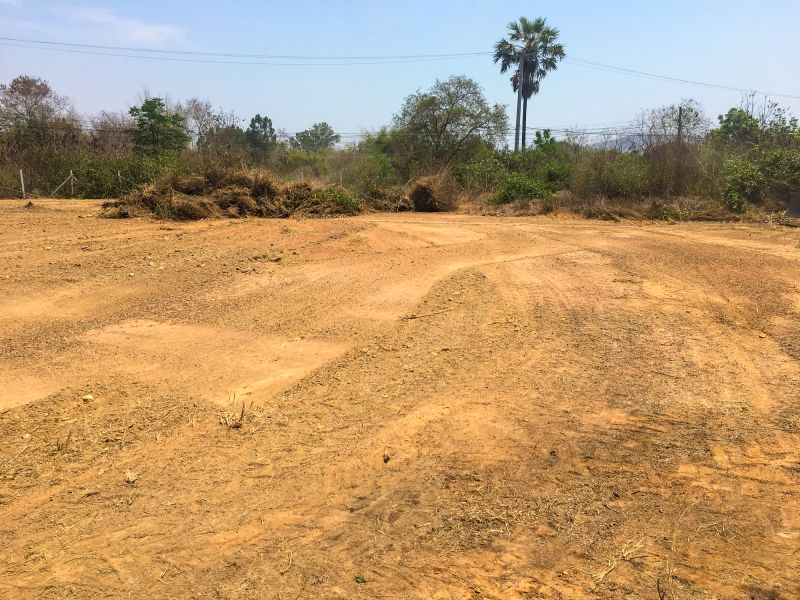
Ways to make Land Clearings work in tight or awkward layouts.
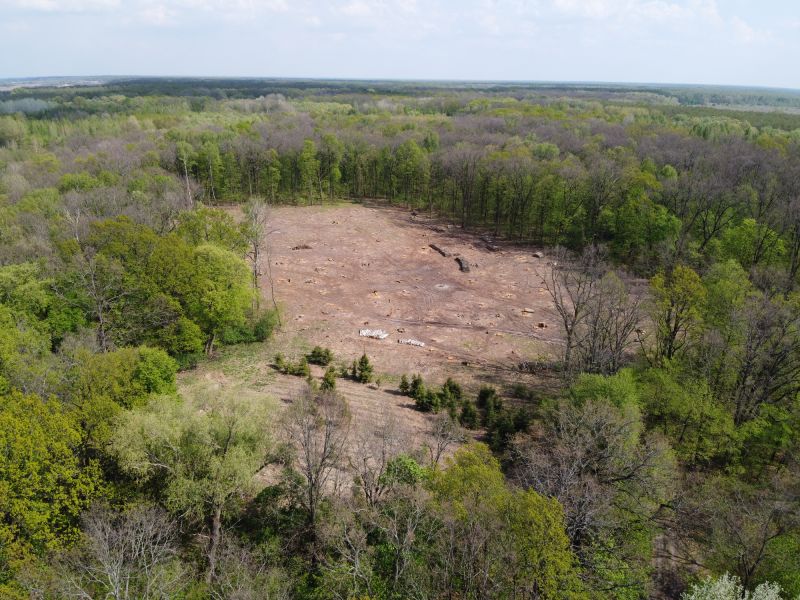
Popular materials for Land Clearings and why they hold up over time.
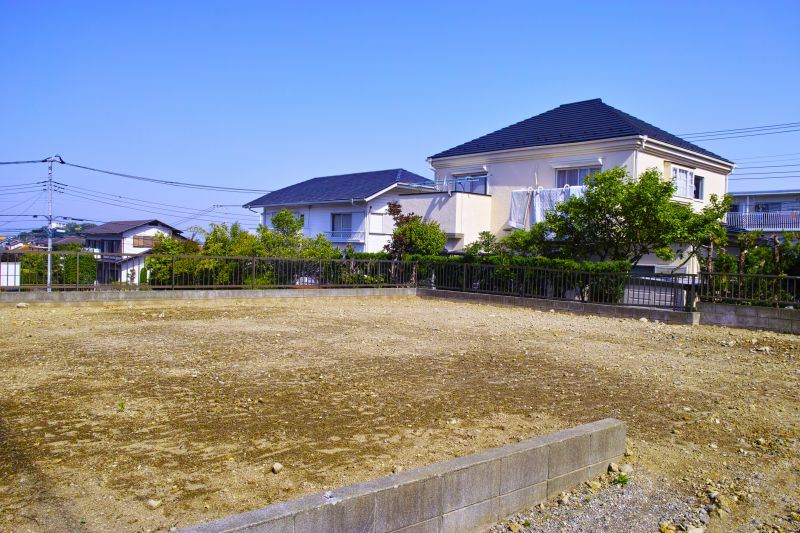
Simple add-ons that improve Land Clearings without blowing the budget.
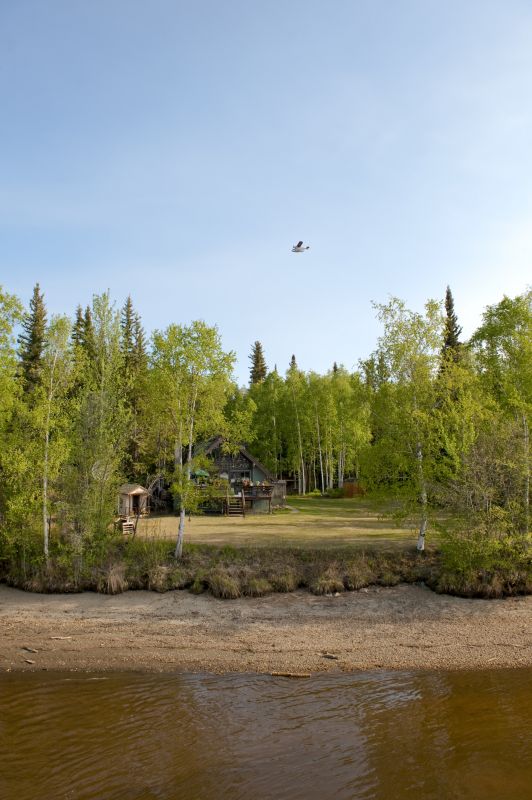
High-end options that actually feel worth it for Land Clearings.
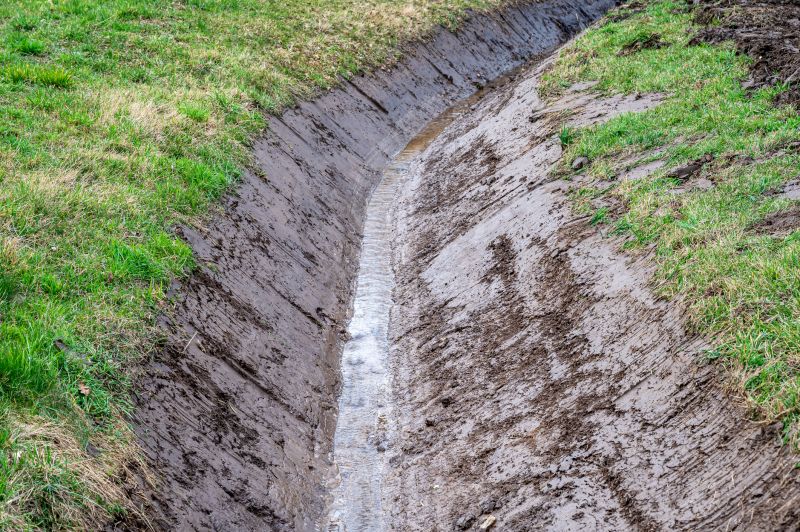
Finishes and colors that play nicely with Land Clearings.
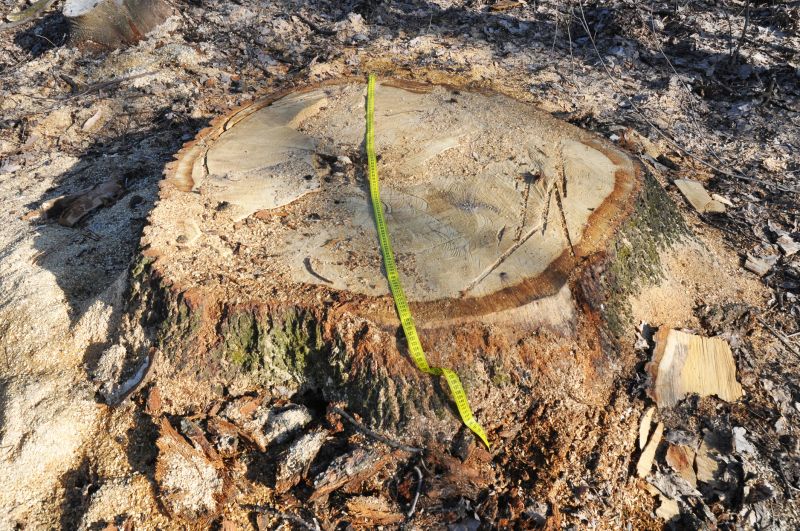
Little measurements that prevent headaches on Land Clearings day.
| Season | Optimal Conditions |
|---|---|
| Spring | Moderate temperatures, manageable soil moisture, longer daylight |
| Summer | Dry conditions, extended daylight, but potential heat challenges |
| Fall | Cooler weather, less foliage, good for winter prep |
| Winter | Frozen ground in milder climates, limited snow |
Land clearing is a vital step in property development, agricultural expansion, and site preparation. Proper timing ensures the process is efficient, cost-effective, and safe. Selecting the appropriate season depends on local weather patterns, soil conditions, and project goals. Spring and fall are generally preferred for their favorable weather and soil conditions, while summer and winter may be suitable in specific climates.
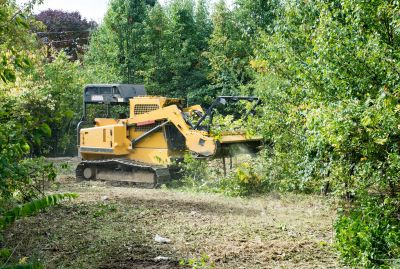
A 60-second routine that keeps Land Clearings looking new.
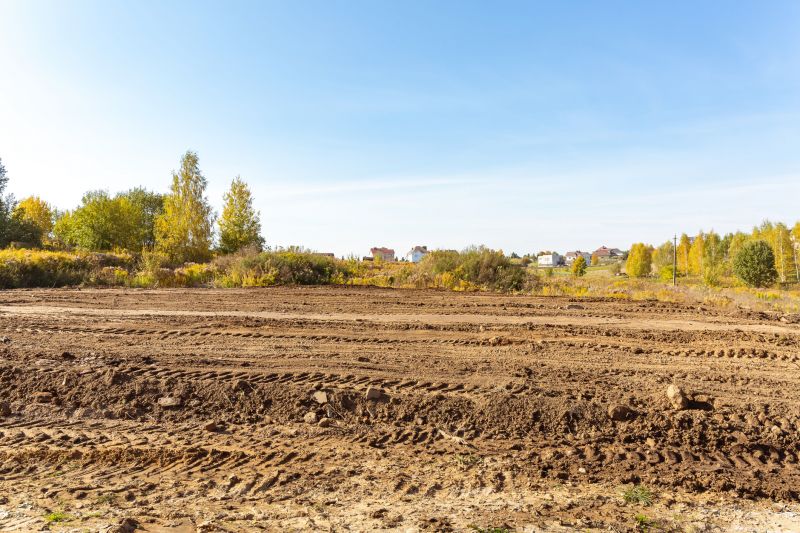
A frequent mistake in Land Clearings and how to dodge it.

Small tweaks to make Land Clearings safer and easier to use.
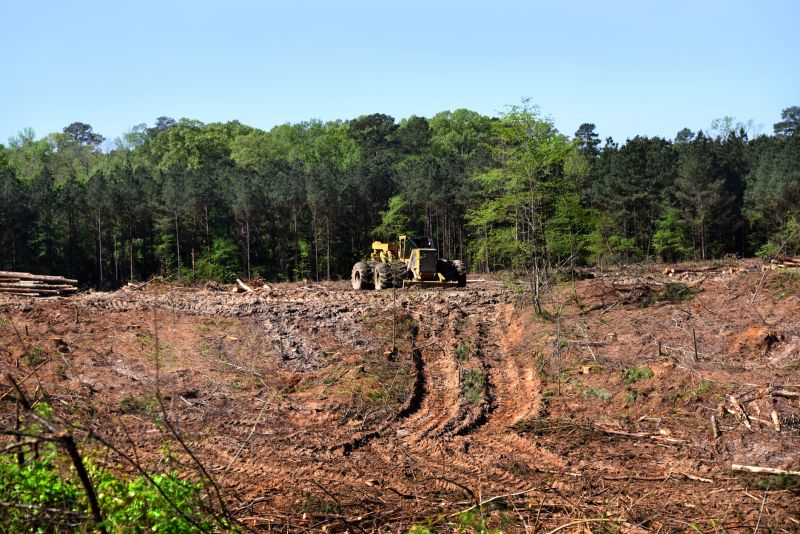
Lower-waste or water-saving choices for Land Clearings.
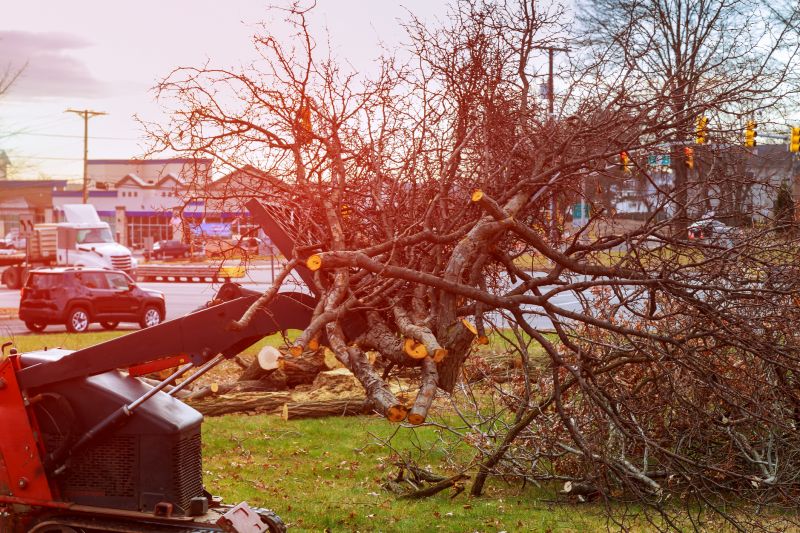
The short, realistic tool list for quality Land Clearings.
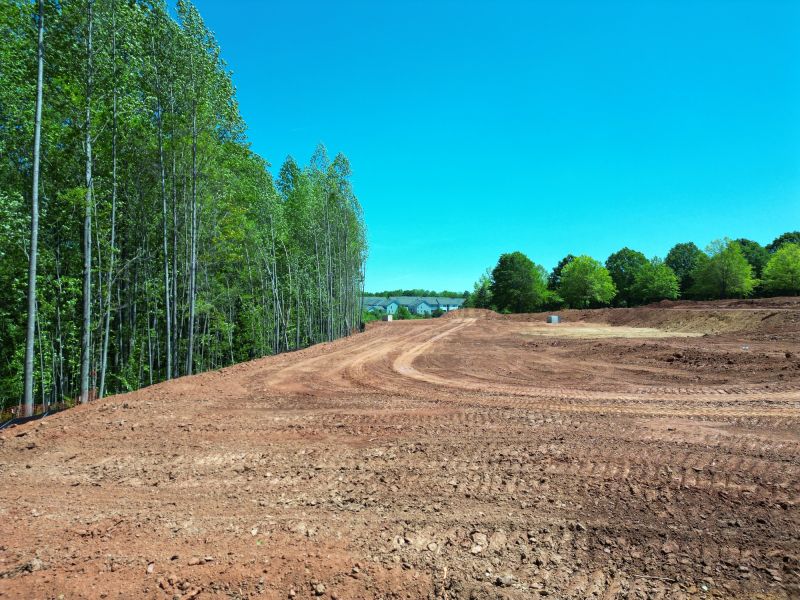
Rough timing from prep to clean-up for Land Clearings.

Quick checks and paperwork to keep after Land Clearings.
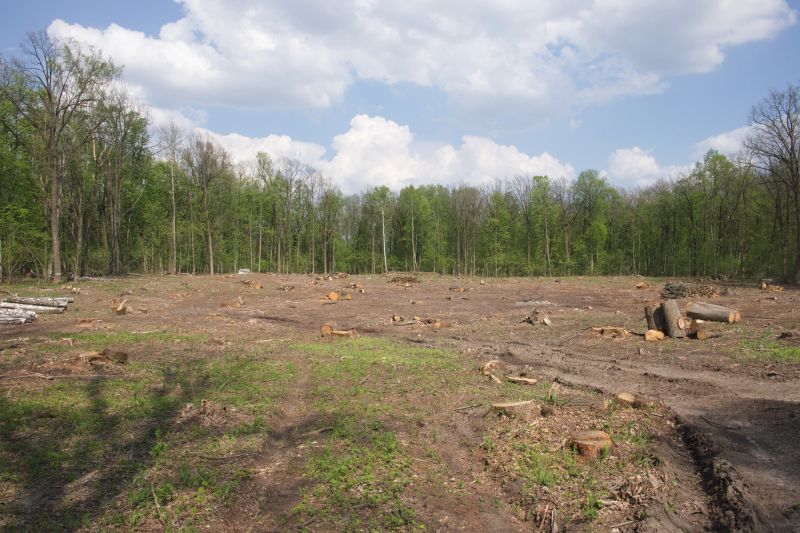
Examples that show the impact a good Land Clearings can make.
Understanding the optimal timing for land clearings can significantly impact project timelines and costs. Proper planning considers seasonal weather patterns, soil conditions, and vegetation cycles to ensure a smooth process. Consulting with land clearing professionals can provide tailored advice based on specific site conditions.
Interested in scheduling a land clearing project? Fill out the contact form to receive more information and assistance tailored to specific site needs.